Did You Know Atmospheric Carbon Dioxide Is A Gas? Ok.
So What Role Does Your Forest Play?
CO2 is a gas that occurs
naturally in the atmosphere and is always present at some level. As long as the level isn't excessive, CO2 in the atmosphere is a good thing. In fact, life on Earth couldn't exist without it. |  |
.
 | But without sustainable forestry, your land can only hold sequestered carbon for a short period of time. This is cause for having no immediate effects on current harmful emissions. |
Trees act like storage tanks
for carbon dioxide. When they are young and small they provide a way for
new carbon to be sequestered and stored. This happens through a process called
photosynthesis. As trees reach maturity, their growth rates slow down and eventually stop completely, depressing any new storage capabilities. | 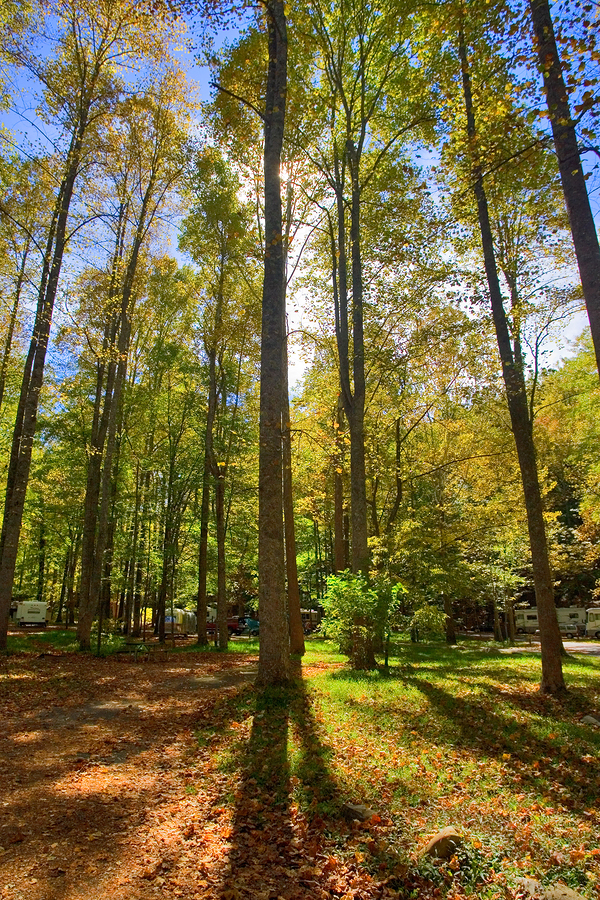 |
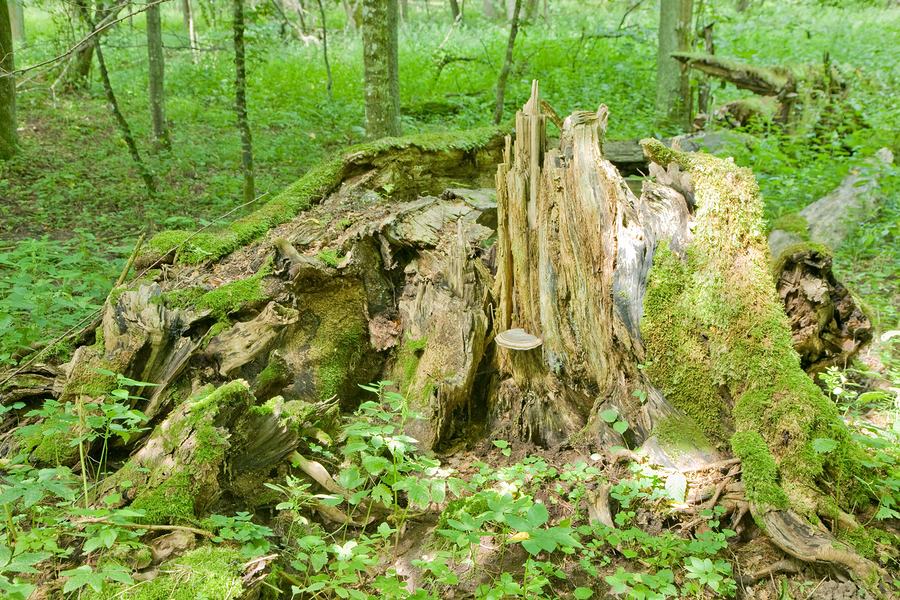
In the past, these carbon
molecules where then released back into the atmosphere through the process of
decomposition. This effect is proven to be a contributing factor to
present CO2 levels.
.
.
.jpg.cropped978x263o6,-142s974x650.jpg) | Through Sustainable Forestry you can immediately influence the capabilities of your forest to remove harmful CO2 and airborne particulates that you breathe. |
.
When eco-friendly individuals look for reliable carbon off-set programs, they make sure these programs have been validated by an independent third party accounting firm. External validation provides these persons with reliable sustainable certification that protects everyone. |  |
 | In the long term, a
written management plan and an accurate inventory will be one of the best, most
responsible contributions a forest owner will ever make towards improving their
woodland.
|
Recommended practices help forest landowners develop sustainably managed, working forests that deliver multiple benifits. In addition to producing wood products, working forest also filter water run-off, control erosion, create recreational opportunity, and improve air quality.
What Is A Carbon Credit?
Carbon credits are a key component of national and international attempts to mitigate the growth in concentrations of greenhouse gases. Carbon trading is an application of an emissions trading approach.One carbon credit is equal to one metric ton of carbon. Greenhouse gas emissions are capped and then markets are used to allocate the emissions among the group of regulated sources. The idea is to allow market mechanisms to drive industrial and commercial processes in the direction of low emissions or less "carbon intensive" approaches than are used when there is no cost to emitting carbon dioxide and other particulates into the atmosphere. Since mitigation projects generate credits, this approach can be used to finance carbon reduction programs between partners and around the world. More Information can be found at: | .
 |
 |
There are many Companies that sell carbon credits to commercial and individual customers who are interested in lowering their carbon footprint on a voluntary basis, but few that have been created from their own individual project. These carbon off-setters purchase the credits from an investment fund or carbon development company that has aggregated the credits from approved, sustainable programs such as the Michigan Timber Conservation Carbon Off-Set Program. The quality of the credits is based in part on the validation process and sophistication of the development company that acted as the sponsor to the carbon project. This is reflected in their price. |
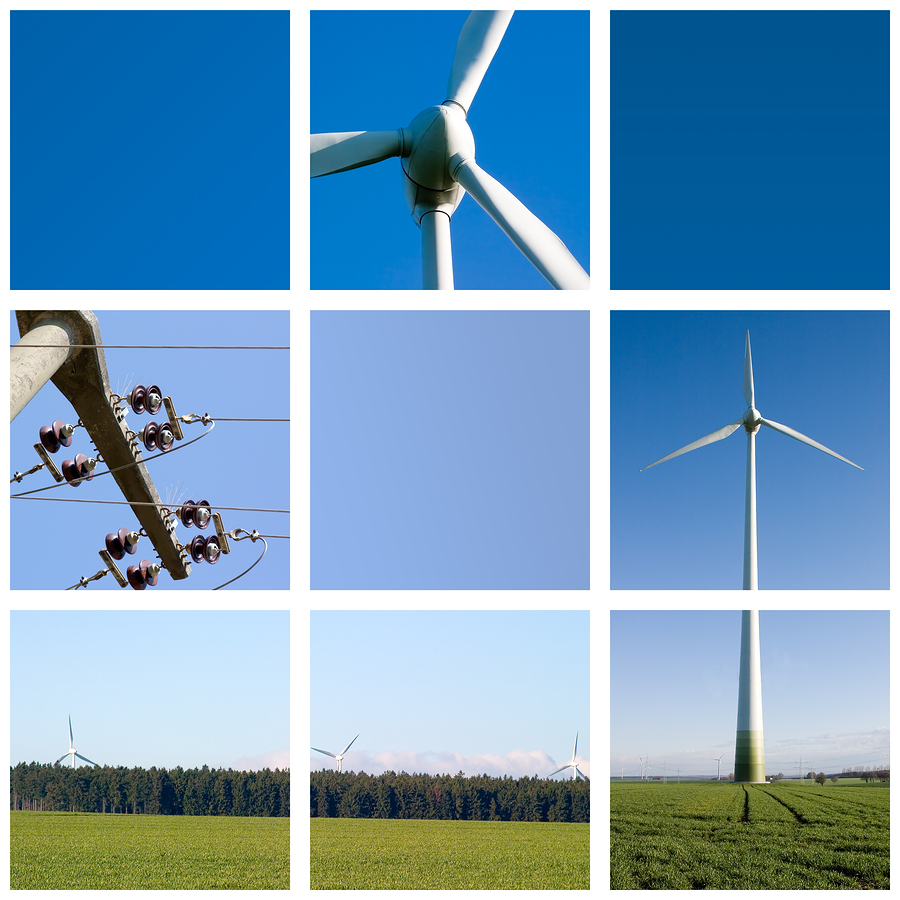
There are two distinct types of carbon credits: Carbon Offset Credits, and Carbon Reduction Credits. Carbon off-set credits consist of clean forms of energy production, wind, solar, hydro and bio-fuels. Carbon reduction credits consist of the
collection and storage of carbon from our atmosphere through reforestation,
forestation, ocean and soil collection and storage efforts. Both approaches are recognized as effective ways to reduce the Global Carbon Emissions crises. |
 |
How Do Forest Owners Participate
In A Program That Provides CFI's?
(carbon financial instruments)
1. Participants are committed to providing a sustainable, working forest capable of sequestering carbon dioxide and off-setting current carbon levels through sustainably certified wood products for the short and mid-term. (Usually 15 years)
2. Forest owners develop a written management plan with the help of a certified plan writer. (Provided)
3. Managers and forest owners follow standards of a sustainable knowledge base that can be used to evaluate, diagnose and implement best forest practices. | 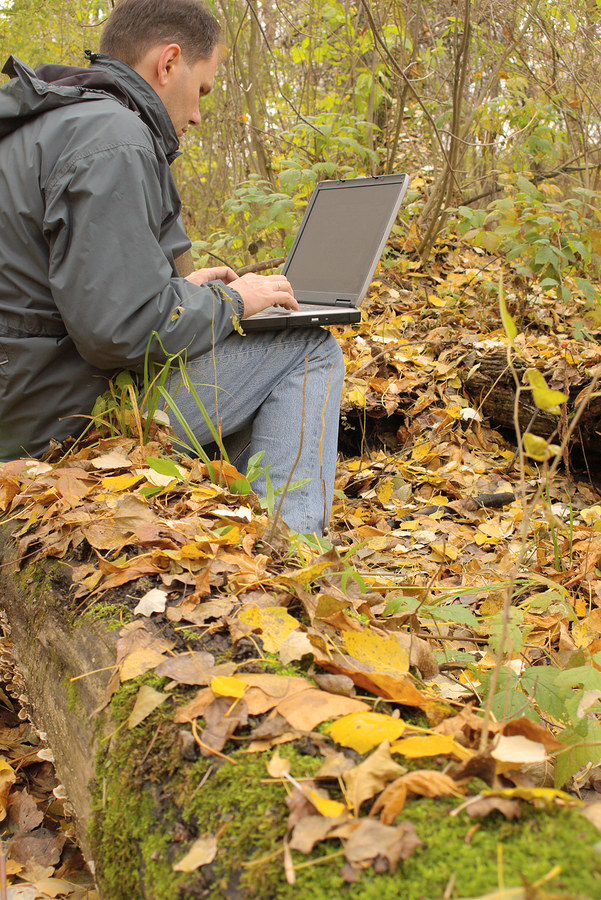 |
|
|
more information about Forests and Atmospheric Carbon Dioxide - CLICK HERE
Our goal is to maintain
After Participants have been verified and approved for our
program, Members will receive annual royalties for the Forest Carbon Off-Sets
they provide.
If your forest has harvestable, merchantable timber; you will still be able to use your timberland for wood production, as long as it's done using a sustainable, planned, measured, long term approach.
Why pay $1000.00 or more for a management plan and a forest inventory to get your woodland eligible to receive carbon credits... when you can now join with us at no cost?
CARBON CREDITS online application CLICK HERE
What Forest Owners In Other States Are Saying:
Land use policies, forest management strategies, wildfire control, and the use of wood in long-lived forest products (such as houses and furniture) can preserve and enhance the carbon storage capacity of forests while also strengthening the role of the forest products industry in mitigating the effects of climate change.
In a 2008 report, the Governor’s Minnesota Climate Change Advisory Group (MCCAG) recognized the importance of forests in greenhouse gas reduction by suggesting that nearly 30% of the state’s 2025 greenhouse gas emission reduction goals could be achieved through forest management initiatives. More...
To be attractive to industry, the forests must be well-managed,
and for the most part, the forests of eastern Kentucky — 89 percent of
which are on private land — are not well managed. Maxson believes
carbon credit trading will lead the better managed and sustainable
forests, which will benefit wildlife and improve water quality. More...
